
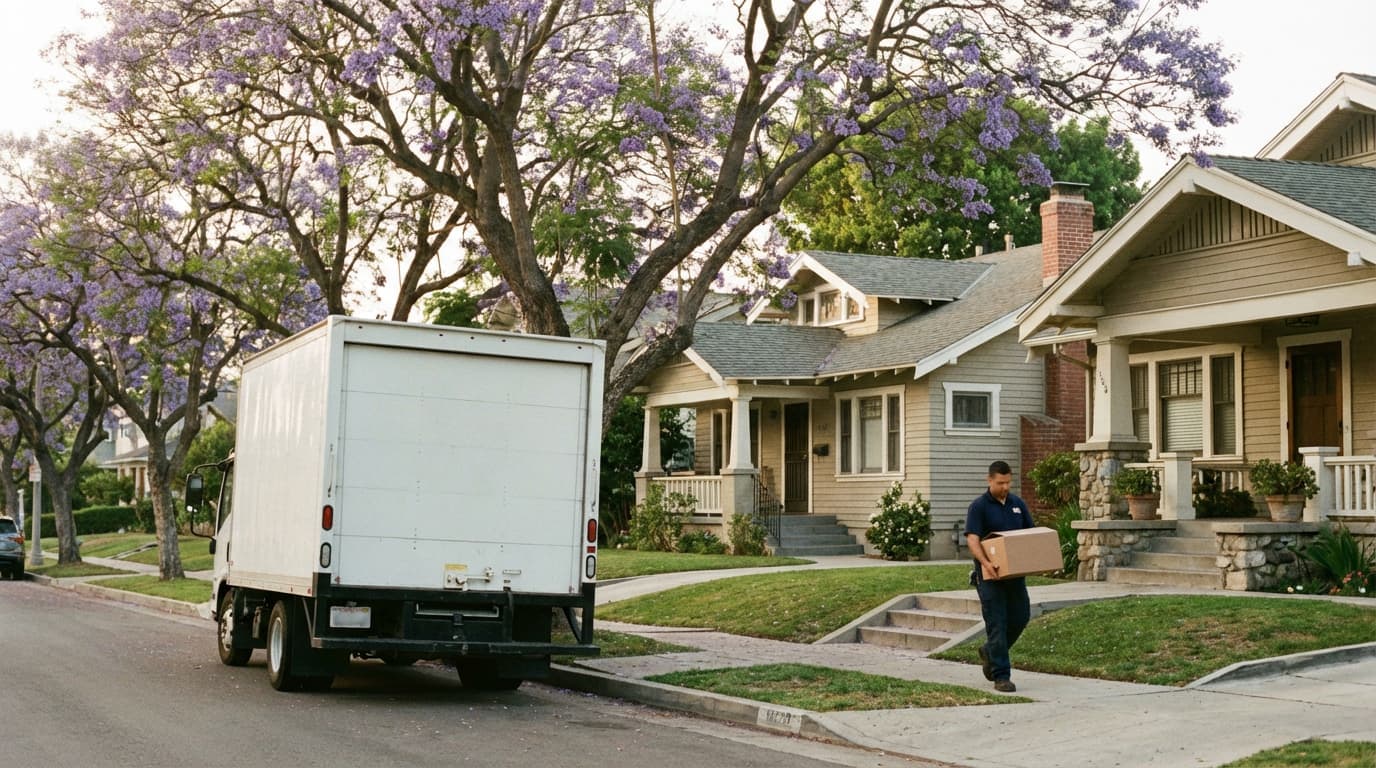
If you're planning a move in Los Angeles, here's something that can save you hundreds of dollars and a lot of stress: the best time to move in Los Angeles isn't just about picking a date on the calendar. It's about understanding the rhythms of this city — the lease cycles, the traffic patterns, the weather, and the seasonal demand that drives moving prices up or down by 30–40% depending on when you book.
I've helped over 200 families navigate LA moves, and the single most common regret I hear is: "I had no idea timing mattered this much." It does. This guide walks you through every month, every season, and every timing trick I've learned — so you can plan a move that's easier on your schedule and your wallet. And if you want to get ahead right now, here's how AI Moving works — scan your space, get an accurate AI estimate, and let vetted movers compete for your move.
Why Timing Your LA Move Matters More Than You Think
Moving rates in Los Angeles aren't fixed. They fluctuate based on demand, and demand in LA follows very predictable patterns. During peak season (June–August), moving companies are booked weeks in advance, crews are stretched thin, and prices spike. During off-peak months (January–March), the same move can cost 20–35% less, trucks are readily available, and you get a crew that isn't rushing to fit in four jobs before sundown.
Beyond price, timing affects everything: how long it takes to book a crew, how much traffic you'll hit on moving day, whether your building's elevator is free or booked by three other tenants moving out the same weekend, and even how hot it'll be while you're hauling boxes to the truck.
The price difference between a peak-season Saturday in July and a Tuesday in February can be $300–$600 for the exact same move. That's not a rounding error — that's your security deposit.
Month-by-Month Breakdown: When to Move in LA
January–March: The Best Deals of the Year
This is the sweet spot. Demand is at its lowest. Holiday season is over, school is in session, and most people aren't thinking about moving. For you, that means lower rates, flexible scheduling, and moving crews that have time to handle your belongings carefully instead of racing through.
January is typically the cheapest month to move in LA. February stays low. March starts to tick upward slightly as spring approaches, but it's still well below summer pricing. If you have flexibility, aim for mid-January through mid-March.
Weather-wise, LA winters are mild — daytime temperatures in the 60s and low 70s. Occasional rain is the only concern, and a good moving crew plans for it. For local moving services, this is the easiest time of year to schedule exactly the date and time you want.
April–May: The Transition Window
Prices start creeping up as the moving season approaches. April is still reasonable — think of it as the last month of off-peak before the summer rush begins. May is the tipping point: college students finishing leases, families preparing for summer relocations, and movers starting to book out their schedules.
If you need to move in this window, book early. Two to three weeks of lead time in April is comfortable. By late May, you'll want three to four weeks minimum.
June–August: Peak Season — Expect to Pay More
This is when LA's moving industry runs at full capacity. Summer is peak season nationwide, but in Los Angeles it's amplified by the size of the rental market, the volume of entertainment industry relocations, and the fact that most leases in areas like Santa Monica and Beverly Hills turn over in summer.
Expect prices 25–40% higher than winter. A two-bedroom local move that costs $600 in February might run $800–$950 in July. Availability gets tight — popular crews book three to four weeks ahead. Weekend slots fill first, especially the last weekend of each month.
If you have to move in summer, here's what helps: book as early as possible, move mid-week (Tuesday through Thursday), aim for mid-month rather than month-end, and start your move early in the morning before the heat and traffic peak.
The last weekend of every summer month is the most expensive and chaotic time to move in LA. Lease turnover concentrates on these weekends, and buildings in high-density areas like Koreatown, DTLA, and West Hollywood can have multiple move-ins and move-outs happening simultaneously. Elevator waits alone can add hours to your day.
September–November: The Overlooked Sweet Spot
This is my favorite window to recommend. Summer rush is over, kids are back in school, and demand drops sharply after Labor Day. Prices return to near-winter levels by October. The weather is still warm but not brutal — September and October are actually LA's warmest months, but mornings are comfortable for moving.
Fall is particularly good for moves to family-friendly areas like Pasadena and Burbank — you'll find more rental inventory as summer movers have settled in, and you can take advantage of the lower demand without the chill of winter mornings.
December: Holiday Slowdown
December is cheap, but it comes with trade-offs. Between Thanksgiving and New Year's, very few people move. You'll get the lowest rates of the year — sometimes even lower than January — but scheduling around the holidays can be tricky. Some moving crews take time off, availability narrows, and if anything goes wrong (weather, truck issues), there's less backup available.
Early December (first two weeks) is the practical sweet spot if you're looking for rock-bottom prices without holiday complications.

Best Day of the Week to Move in LA
Tuesday, Wednesday, and Thursday are consistently the cheapest and smoothest days to move. Monday and Friday are slightly more popular (long-weekend appeal), and Saturday is the most expensive day by far.
The price gap between a Saturday and a Wednesday averages $100–$200 for a local move, and that's before you factor in the smoother experience: less traffic on the road, less competition for building elevators, and moving crews that aren't fatigued from back-to-back weekend jobs.
If your lease ends on the 31st and starts on the 1st, you don't have to move on those exact dates. Many landlords will work with you on a day or two of overlap. Ask — the savings from a mid-week move can more than cover an extra day of double rent.
LA Lease Cycles and How They Affect Moving Demand
Los Angeles has a unique rental market that drives moving demand in predictable waves. Most leases in LA are 12-month terms, and the majority start on the 1st of the month. This creates a concentration of moves on the last and first days of each month — especially the last weekend.
The 1st of September and October are the biggest lease-turnover dates after summer. If you can start your lease on the 15th instead of the 1st, you'll move during the quieter mid-month window and likely save money on both the move and on rent (some landlords offer mid-month start discounts to fill units faster).
For a long-distance move into LA from another city or state, timing matters even more. Long-distance moves need to be booked further in advance, and summer slots fill up fast. If you're relocating to LA for a job that starts in the fall, booking your movers in July or August for a September delivery is smart.
How LA Traffic and Weather Affect Your Move
Traffic is the invisible tax on every LA move. A 15-mile move can take 30 minutes or 90 minutes depending on the time of day and the route. If you're paying hourly, that difference is $50–$100+ straight onto your bill.
The golden window for LA moving is 8–10 AM on a weekday. Rush hour peaks from 7–9 AM and 4–7 PM, but by 9:30 the freeways clear up enough to make cross-city moves reasonable. Avoid starting a move at 3 PM if it involves any freeway driving — you'll spend the most productive hours of the day sitting on the 405.
As for weather: LA is forgiving. The only real concern is rain, which concentrates in January through March. Rain doesn't cancel a move, but it slows it down (wet walkways, wrapping protection for furniture, careful loading). If rain is forecast, check with your mover about their policy — most will proceed unless conditions are severe.
When you scan your space with AI Moving, vetted movers see exactly what they're bidding on. That means accurate quotes upfront, whether you're booking in cheap January or expensive July. No guesswork, no surprises on moving day.
Quick Reference: Best and Worst Times to Move in LA
Best months: January, February, early March, October, November, early December.
Worst months: June, July, August (highest prices, lowest availability).
Best days: Tuesday, Wednesday, Thursday.
Worst days: Saturday (most expensive), last day of the month.
Best time of day: 8–10 AM start on weekdays. Avoid 3–6 PM starts.
How far ahead to book: 1–2 weeks in off-peak, 3–4 weeks in peak season.
Frequently Asked Questions
Q: What is the cheapest month to move in Los Angeles?
January is typically the cheapest month to move in LA. Demand is at its lowest after the holidays, and moving companies offer their best rates. February and early December are also strong options for budget-friendly moves.
Q: How much more expensive is a summer move in LA?
Summer moves (June–August) typically cost 25–40% more than winter moves. A two-bedroom local move that runs $500–$700 in January might cost $750–$950 in July. Availability is also tighter, so booking early is essential.
Q: Is it better to move on a weekday or weekend in Los Angeles?
Weekday moves (Tuesday–Thursday) are consistently cheaper — typically $100–$200 less than Saturday. You'll also deal with less building elevator competition and have more crew availability.
Q: How far in advance should I book movers in LA?
In off-peak months (October–March), one to two weeks is usually enough. During peak season (June–August), book three to four weeks ahead. For month-end weekend moves in summer, four weeks minimum.
Q: Does rain affect moving in Los Angeles?
LA's rainy season runs January through March. Light rain rarely cancels a move, but it can slow things down. A good crew will bring extra wrapping protection and plan for wet conditions. Check with your mover about their rain policy when booking.
Plan Your LA Move at the Right Time
Timing is one of the few things in a move that's completely in your control. You can't change the size of your apartment or the distance to your new place, but you can choose when you go. Pick the right month, the right day, and the right time of day, and you'll save money, reduce stress, and actually enjoy the start of your next chapter in Los Angeles.
Ready to see what your move will cost? Scan your space with AI Moving, get a detailed inventory, and let vetted LA movers send you their best offers.